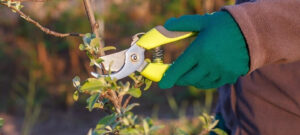
Trees are the crowning glory of any landscape, providing shade, oxygen, and aesthetic beauty. However, as trees grow, they can sometimes outpace their environment, encroaching on power lines, obstructing views, or becoming susceptible to wind damage. When a tree becomes too large for its space, “crown reduction” is often the most effective solution to maintain its health while managing its size.
For residents in Bedfordshire, understanding the variables that influence Tree Crown Reduction Cost is essential for effective property maintenance. Companies like Elats Ltd provide expert arboricultural services to ensure that these delicate procedures are carried out safely and sustainably. In this guide, we will break down the costs, processes, and benefits associated with professional tree shaping.
What is Tree Crown Reduction?
Unlike “topping,” which is a harmful practice that involves cutting across the main stem, crown reduction is a sophisticated pruning technique. It involves reducing the overall height and spread of the tree’s canopy by cutting back branches to lateral growth points. This preserves the natural shape of the tree while reducing its weight and wind resistance.
The Importance of Professional Pruning
Crown reduction is an intricate task that requires a deep understanding of tree biology. Cutting too much can stress the tree, leading to disease or “epicormic” growth (rapid, weak shoots). This is why homeowners frequently seek out tree pruning Leighton Buzzard specialists who can balance the aesthetic goals of the homeowner with the long-term health of the specimen.
1. Factors Influencing Tree Crown Reduction Cost
The cost of reducing a tree’s crown is rarely a flat fee. Because every tree and location is unique, several variables dictate the final price on your quote.
Tree Size and Species
Naturally, a sprawling 60-foot Oak will require more time, equipment, and manpower than a 15-foot ornamental Cherry tree. Hardwood species are often more labor-intensive to prune than softwoods. Additionally, certain species respond differently to pruning, requiring more careful selection of cut points to ensure healthy regrowth.
Accessibility and Location
If a tree is located in an open field, the job is straightforward. However, if the tree is overhanging a conservatory, greenhouse, or public highway, the complexity increases. Elats Ltd utilizes “dismantling” techniques for trees in confined or difficult locations, using ropes and rigging to lower branches safely to the ground.
Waste Disposal
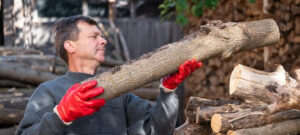
The volume of “brash” (small branches and leaves) generated from a 30% reduction can be immense. Professional quotes usually include the chipping and removal of this waste, leaving your site clean and tidy.
2. Why Choose Professional Tree Surgery?
It might be tempting to attempt tree pruning yourself, but the risks to both your safety and the tree’s health are significant.
Safety-First Working Practices
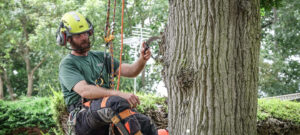
Tree work is statistically one of the most dangerous professions. Professionals at Elats Ltd operate with a “safety-first” mindset, using specialized climbing gear, chainsaws, and safety harnesses. This protects not only the workers but also your property from falling debris.
Preserving Tree Health
The goal of a professional is to preserve trees wherever possible, not to remove them unnecessarily. By making precise “target cuts,” a tree surgeon encourages the tree to heal quickly, preventing decay from entering the main trunk.
3. The Process of a Crown Reduction
When you hire a professional team, the project typically follows a structured path to ensure the best results.
Initial Consultation and Advice
The process begins with honest, practical guidance focused on long-term tree health and property safety. A specialist will explain what work is essential, what is recommended, and what can wait.
Seasonal Expertise
Timing is everything. Pruning at the wrong time of year can “bleed” certain species (like Maples) or encourage fungal infections. Professionals understand seasonal expertise—knowing when work should be carried out for the best results and minimal impact on local wildlife.
Execution and Cleanup
On the day of the job, the team works efficiently to reshape the canopy. Once the pruning is complete, the site is cleared. High-quality services are known for leaving the space neater than it was before the work began.
4. Additional Services That May Affect Cost
During a crown reduction, a tree surgeon might identify other issues that need addressing.
- Dead Wooding: Removing dead or dying branches that could fall and cause injury.
- Storm Damage Repair: If a tree has already been damaged by wind, the reduction may need to be more aggressive to stabilize the structure.
- Stump Grinding: If a tree is being completely removed rather than reduced, stump grinding is used to improve the usability of your land.
5. Financing Your Tree Care
Large-scale arboricultural work can be a significant investment. Recognizing this, Elats Ltd provides flexible options to help homeowners manage the cost. They are an Introducer Appointed Representative, allowing clients to access finance through a panel of lenders, subject to status and credit checks. This ensures that essential safety work, such as removing dead or dangerous trees, doesn’t have to be delayed due to budget constraints.
Conclusion
Understanding the Tree Crown Reduction Cost is about more than just finding the lowest price; it’s about investing in the safety of your property and the longevity of your trees. By choosing an expert team like Elats Ltd, you ensure that your landscape receives professional care based on safety, honesty, and environmental responsibility.
Whether you need a simple aesthetic trim or a major structural reduction, hiring a specialist for tree pruning Leighton Buzzard ensures the job is done right the first time. Well-maintained trees are an asset to any home, providing a greener, more sustainable future for the entire community.