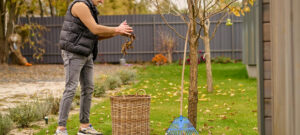
Spotting the early warning signs of a troubled tree can save you from costly damage, injuries, or even legal headaches. In areas with mature trees like gardens or streets, ignoring these signals often leads to emergencies that require a professional tree removal service. Acting promptly on these 8 key indicators ensures your property stays safe and your landscape remains healthy.
Sign 1: Large Dead Branches
Dead branches, especially large ones high in the canopy, are one of the most immediate dangers. These limbs lose their flexibility and can snap off without warning, particularly during windy conditions or storms. If multiple sizable dead branches cluster together, the tree’s structural balance is compromised, increasing the risk of widespread failure.
Inspect your trees regularly from the ground, look for brittle, leafless sections that contrast with healthy green growth elsewhere. A professional tree cutting service can safely remove these hazards before they fall on roofs, cars, or people below. Delaying action here turns a minor trim into a full removal necessity.
Sign 2: Visible Decay or Cavities
Hollow spots, soft wood, or visible rot in the trunk signal internal decay that weakens the entire tree. Fungi, carpenter ants, or woodpeckers often accelerate this process, creating cavities that expand over time. Even if the tree looks sturdy on the outside, a single strong gust can cause it to topple.
Probe gently around suspicious areas with a tool like a screwdriver; if it sinks in easily, decay is likely advanced. Tree experts use specialized tools to assess the extent without further damage, deciding if removal is the only safe option. This sign demands quick evaluation to prevent property damage or injury.
Sign 3: Leaning Trunk
A tree that suddenly leans or shows a persistent tilt away from its original position indicates root failure or shifting soil. Roots may have been damaged by construction, erosion, or heavy machinery, leaving the tree unstable. The greater the lean, especially toward buildings or power lines, the higher the collapse risk.
Check for soil heaves or exposed roots at the base, which confirm imbalance. Professionals employ cables, guying, or full tree removal service based on severity, often using cranes for safe handling. Never ignore this; a leaning giant can fall without further provocation.
Sign 4: Fungal Growth
Mushrooms or shelf-like fungi sprouting from the trunk, roots, or base are clear indicators of heartwood rot. These organisms break down the tree’s internal structure, making it brittle and prone to snapping. Bracket fungi, in particular, signal advanced decay that spreads rapidly in damp conditions.
Common in older trees, this growth thrives in moist soil and poor drainage areas. Arborists identify the fungus type to gauge urgency, recommending removal if it’s load-bearing heartwood affected. Early detection via visual checks can sometimes allow treatment, but fungi often necessitate complete tree cutting service.
Sign 5: Cracks or Splits in Bark
Deep vertical cracks, horizontal splits, or peeling bark reveal structural weaknesses forming inside. Lightning strikes, frost damage, or growth stress cause these, allowing water and pests to enter. As cracks widen, the tree loses integrity, especially in forks or crotches where tension builds.
Run your hand over the bark, if it feels spongy or separates easily, act fast. Certified teams assess split depth with probes and decide on cabling or removal. This sign escalates quickly, turning a salvageable tree into a hazard overnight.
Sign 6: Sparse or Discolored Foliage
Thinning canopy, premature leaf drop, or yellowing/browning leaves suggest root issues, disease, or nutrient deficiencies. Vascular problems like wilt block water flow, starving the upper parts. If only one side dies back, it points to uneven decline needing expert diagnosis.
Compare with neighboring healthy trees; isolation confirms trouble. While fertilizing helps minor cases, severe die-off means the tree won’t recover, warranting atree removal service to prevent spread to others. Monitor seasonally for changes.
Sign 7: Root Problems
Exposed, decaying, or circling roots circling the trunk show girdling or suffocation. Construction, mulch volcanoes, or compacted soil strangle roots, starving the tree of stability and nutrients. Mushrooms near roots or thin soil cover amplify risks.
Dig lightly around the base, healthy roots spread wide and grip firmly. Pros use air spades to expose and assess without harm, often grinding stumps post-removal. Ignoring roots leads to topple; proactive removal protects foundations and utilities.
Sign 8: Recent Storm Damage
After high winds, ice, or lightning, inspect for fresh splits, bark tears, or top-heavy crowns. Partial failures leave trees precarious, with hidden splits worsening over time. Even upright trees with major limb loss become unstable.
Post-storm surveys by professionals prioritize these cases, using rigging to dismantle safely. Delaying invites further collapse; a tree cutting service restores safety efficiently. Annual checks prevent repeats in storm-prone areas.
Why These Signs Demand Action
Each warning escalates risks to people, property, and neighboring trees. DIY fixes rarely suffice due to height, tools, and biology knowledge gaps, professionals ensure compliance with local regs like preservation orders. They recycle wood into mulch, minimizing waste while protecting insurance claims.
Costs vary by size/location but pale against repair bills from falls. Regular audits spot issues early, potentially saving trees via pruning. For irrecoverable cases, swift tree removal service maintains landscape value.
Prevention Tips for Tree Health
Plant species suited to local soil/climate, space properly from structures, and mulch correctly (not against trunk). Water deeply during droughts, avoid soil compaction, and prune annually. Hire certified arborists for inspections, prevention beats removal every time.
Soil tests guide amendments; companion planting deters pests. These habits extend tree life, reducing service needs while boosting curb appeal and ecology.
Benefits of Professional Removal
Experts like Elats minimize disruption with sectional dismantling, cranes for giants, and stump grinding for reuse. Insured teams protect lawns/pavements, haul debris, and advise replants. Post-job, your space is safer, tidier, and primed for new growth.
Eco-friendly disposal turns wood into chips/logs, supporting sustainability. Long-term, it cuts maintenance costs and liability.