A healthy hedge can do much more than mark the edge of a garden. It can provide privacy, improve the appearance of your property, and create a natural boundary between different outdoor areas. However, hedges need regular care to stay dense, attractive and manageable. Without the right trimming and maintenance, fast-growing hedges can quickly become too tall, wide, or difficult to control.
A professional Hedge Maintenance Service can provide the right level of care while helping prevent small problems from becoming larger jobs.
Why Regular Hedge Maintenance Matters
Hedges are living plants, so they continue to grow throughout the year. Depending on the species, growth can be particularly strong during spring and summer.
Regular care helps maintain the shape and size of the hedge while encouraging healthy growth.
Some common problems caused by neglected hedges include:
- Overgrown branches spreading into paths or driveways
- Uneven or untidy growth
- Reduced light in gardens
- Branches becoming difficult to cut safely
- Hedges growing beyond their intended boundary
- Dead or damaged sections affecting the overall appearance
Regular maintenance makes these issues easier to manage.
What Does Professional Hedge Care Include?
Professional hedge care is not simply about cutting branches back. The approach should depend on the hedge type, its current condition, location, and the result you want to achieve.
A suitable maintenance programme may include:
1. Trimming and Shaping
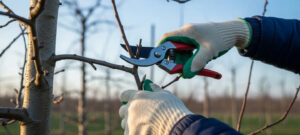
Regular trimming helps maintain a consistent height and width. It can also improve the overall appearance of formal garden hedges and boundary planting.
The amount removed should be appropriate for the plant. Cutting too aggressively can put unnecessary stress on some hedge species.
2. Reducing Overgrown Hedges
An established hedge may eventually become too large for its location. Careful reduction can bring it back under control while maintaining a practical shape.
For very large or neglected hedges, professional equipment and experience can make the work safer and more efficient.
3. Removing Dead Growth
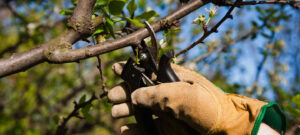
Dead, broken, or damaged branches can make a hedge look untidy. Removing unsuitable growth can improve its appearance and allow healthy sections to develop.
4. Clearing Green Waste
After trimming, there can be a significant amount of branches and leaves left behind. A professional service can include waste removal, leaving the garden clean and ready to use.
How Often Should a Hedge Be Cut?
There is no single schedule that works for every hedge.
The ideal frequency depends on:
- The hedge species
- Growth rate
- Desired height and shape
- Location
- Weather and seasonal conditions
- Whether the hedge is formal or informal
A fast-growing boundary hedge may need attention more often than a slow-growing ornamental hedge.
If you are unsure about the right schedule, a professional can assess the hedge and recommend a practical maintenance plan.
Signs Your Hedge Needs Attention
You may need professional help if your hedge:
- Has grown significantly beyond its original shape.
- Is blocking windows, paths, or entrances.
- Has become wider than the available space.
- Contains broken or dead branches.
- Looks thin or uneven after poor trimming.
- Has become too tall to manage safely from the ground.
Acting early can often make maintenance easier and less disruptive.
Why Choose Elats Ltd for Hedge Care?
Elats Ltd provides professional hedge cutting and maintenance for customers who want their outdoor spaces to remain neat, healthy and manageable.
The right approach starts with understanding the hedge and the desired result. Rather than removing growth unnecessarily, the work should focus on achieving a suitable shape while protecting the plant.
A clear discussion before work begins also helps ensure that the finished height, shape and waste removal arrangements are understood.
Professional Care Can Save Time
Maintaining a small hedge can be manageable for many homeowners. Larger hedges are different.
Tall, wide or heavily overgrown hedges can take considerable time to cut, and working at height can introduce additional safety risks.
Using a professional hedge cutting service can save time and help ensure the work is completed with suitable equipment and methods.
A hedge cutting service can also be useful when a hedge needs a one-off tidy-up before a property sale, garden improvement project or seasonal maintenance programme.
Final Thoughts
A well-maintained hedge can improve privacy, kerb appeal and the overall appearance of your garden.
Regular trimming, sensible shaping and timely removal of unwanted growth can help keep hedges manageable for longer.
If your hedge has become difficult to control or you simply want a reliable maintenance routine, Elats Ltd can help you choose a practical approach for your property.
A little professional care at the right time can make a big difference to the long-term appearance and condition of your hedges.