Storm season puts real pressure on the trees in your garden. A tree that looks fine on a calm day can become a serious hazard once strong winds and heavy rain arrive.
Knowing the warning signs early gives you time to act before damage is done to your home, your fence, or your neighbour’s property. If a tree shows signs of weakness or instability, contacting Local Tree Removal Services can help you assess the situation and take appropriate action before the next storm.
Why Storm Season Puts Extra Pressure on Trees
High winds and saturated soil weaken a tree’s grip on the ground. Even healthy-looking trees can shift or fall when the roots have been compromised by disease, age, or poor growing conditions.
Older trees, or those with existing damage, are especially at risk once storm season sets in.
7 Signs You Need a Local Tree Removal Service
1. Visible Cracks or Splits in the Trunk
A crack running along the trunk is a sign that the tree’s structure has been compromised. This weak point can widen quickly under wind pressure and lead to a sudden split.
2. Leaning More Than Usual
A slight, long-standing lean can be normal, but a new or worsening lean often points to root damage. This is one of the clearest signs that a tree may come down in a storm.
3. Dead or Hanging Branches
Dead branches, sometimes called deadwood, can snap off in strong wind and cause damage below. Hanging or broken limbs should be removed before they fall on their own.
4. Hollow or Decaying Trunk
A hollow sound when you tap the trunk, or visible soft, crumbling wood, usually means internal decay. This weakens the tree’s core and makes it far more likely to fail in a storm.
5. Roots Lifting the Ground or Pavement
Raised soil, cracked paving, or roots pushing up near the base of the tree can signal that the root system is unstable, especially after heavy rain.
6. Fungus Growing at the Base
Mushrooms or fungal growth at the base of a tree are often a sign of root or trunk decay happening below the surface, out of sight.
7. Tree Is Too Close to Your Home or Power Lines
Even a healthy tree can pose a risk if it is growing too close to your house, garage, or overhead power lines. Storm winds increase the chance of contact and damage.
What Happens If You Ignore These Signs?
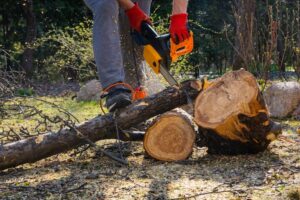
Leaving a hazardous tree in place through storm season can lead to costly damage to your roof, car, or garden structures. In some cases, it can also put your family or neighbours at risk. If a tree appears unstable or severely damaged, Local Tree Removal Services can help you determine whether removal is the safest option.
Acting early is almost always cheaper and safer than dealing with the aftermath of a fallen tree.
How a Tree Removal Service Assesses Risk
A qualified tree removal service will inspect the trunk, root area, canopy, and surrounding structures before recommending any action. Not every tree needs to come down.
- Checking for structural cracks, decay, and lean
- Assessing root stability and soil condition
- Reviewing the tree’s proximity to buildings and power lines
- Recommending removal, pruning, or ongoing monitoring
Why Choose Elats Ltd
Elats Ltd has helped homeowners across the area prepare their gardens for storm season, from routine inspections to full tree removal.
The team uses proper safety equipment and follows current guidelines, so every job is carried out with minimal disruption to your property.
Final Thoughts
Spotting the signs of a hazardous tree early can save you from costly damage and unnecessary risk once storm season arrives.
If any of these warning signs sound familiar, contact Elats Ltd for an inspection and honest advice on the safest next step for your garden.