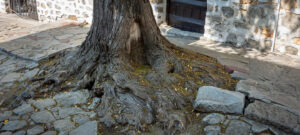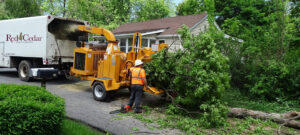
Once a tree is removed, the leftover stump can take up space and affect the appearance of your garden. Garden Stump Removal and stump grinding are two common ways to deal with it, but they are not the same process. Understanding the difference can help you choose the right option for your garden.
A leftover stump can take up useful space, make mowing more difficult, and affect future landscaping plans. In some cases, it can also attract insects or begin to decay over time.
What Is Stump Grinding?
Stump grinding involves using specialist machinery to break the visible stump into small wood chips. The machine works down into the stump and reduces its height below the surrounding ground level.
The remaining roots are usually left in the soil. Over time, these roots can naturally decompose.
Benefits of Stump Grinding
Stump grinding is a practical option if you need to:
- Clear the visible stump quickly
- Make mowing easier
- Improve the appearance of your garden
- Prepare an area for new landscaping
- Avoid digging up a large root system
This method is ideal when removing the entire root system is not required.
What Is Stump Removal?
Complete stump removal involves taking the stump out of the ground along with a larger portion of its root system. The work may involve excavation or the use of specialised machinery, depending on the stump’s size and position.
Garden Stump Removal can be worth considering when you need the ground completely cleared for a new project, such as planting, paving, construction, or another garden feature.
Removing more of the root system can create a clearer area for future work, although the process may require more time and physical access than grinding.
Stump Grinding vs Stump Removal
Although both methods deal with unwanted tree stumps, the main difference is how much of the stump and root system is removed.
| Feature | Stump Grinding | Stump Removal |
| Visible stump | Ground down | Removed |
| Large roots | Usually remain | More of the root system removed |
| Ground disturbance | Generally lower | Usually greater |
| Suitable for landscaping | Yes, depending on the project | Often useful for major changes |
| Machinery | Specialist grinder | Digging/removal equipment may be needed |
The right choice depends on what you plan to do with the area afterwards.
When Is Stump Grinding a Better Option?
Stump grinding can be a convenient choice when you want to clear an obstruction and create a neater garden.
For instance, if a stump is taking up space on your lawn, grinding it down can make mowing and general garden maintenance easier while minimising disruption to the surrounding soil.
It can also be useful when access is limited and complete root removal is not required.
When Should You Consider Complete Removal?
There are situations where grinding may not provide enough clearance.
Complete removal may be more appropriate if you plan to:
- Build on the same area
- Install paving
- Create a new planting bed
- Install a garden structure
- Remove as much of the old root system as practical
The condition, size, and location of the stump can also affect which method is suitable.
What Does a Professional Stump Service Involve?
A professional tree stump removal service can assess the stump and surrounding area before recommending a suitable method.
Factors they may consider include:
- Stump size
- Tree species
- Root spread
- Ground conditions
- Nearby buildings or structures
- Access for machinery
- Your plans for the area
This assessment helps avoid choosing a method that does not match the needs of the garden.
What Happens to the Wood After Grinding?
Stump grinding produces wood chips and small pieces of material. These can sometimes be used as mulch or removed from the site, depending on your landscaping plans.
If the area is going to become part of a lawn or planting bed, the remaining material may need to be managed before new planting or turf is installed.
A professional can explain what preparation will be needed after the stump has been processed.
Can You Remove a Stump Yourself?
Small stumps can sometimes be tackled with hand tools, but larger stumps may have extensive roots beneath the ground.
Attempting to remove a substantial stump without the right equipment can be physically demanding and may disturb nearby plants, paving, or structures.
Using a professional tree stump removal service can make the work more manageable and allows the area to be assessed before machinery is used.
What Should You Do After Stump Removal?
Once the stump has been ground or removed, the next step depends on your plans for the garden.
You may choose to:
- Fill the area with suitable soil.
- Re-level the ground.
- Lay new turf.
- Plant flowers or shrubs.
- Create a new garden feature.
- Prepare the area for paving or another project.
Give the ground suitable time to settle where necessary before completing major landscaping work.
How Elats Ltd Can Help
At Elats Ltd, stump work can be considered as part of a wider approach to keeping outdoor spaces safe, tidy and usable. The appropriate method depends on the individual stump, its surroundings and what you want to do with the space afterwards.
Rather than assuming that grinding or complete removal is always the answer, a proper assessment can help identify the most practical approach for your garden.
Final Thoughts
A leftover tree stump does not have to remain a permanent obstacle in your garden. Stump grinding can deal with the visible stump with limited ground disturbance, while complete removal may be more suitable when you need the area cleared for a larger landscaping project.
Understanding these differences allows you to choose an approach based on your garden, access, and plans rather than simply choosing the first available option.