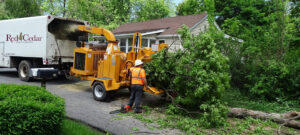
A tall or overgrown hedge can quickly become difficult to manage. If branches are spreading across paths, blocking light or making your garden look untidy, it may be time to consider a Large Hedge Trimming Service. Regular cutting can help keep hedges healthy, neat and easier to maintain.
Large hedges also need more care than small garden shrubs. Their height, width and dense growth can make trimming a time-consuming job, especially when ladders or specialist equipment are needed.
1. Your Hedge Has Become Too Tall
One of the clearest signs is excessive height. When a hedge grows beyond a comfortable working height, trimming it from the ground may no longer be practical.
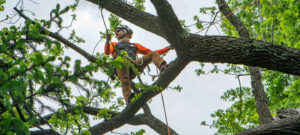
Trying to reach high branches with an ordinary ladder can also create unnecessary risks. A professional team can assess the hedge and use suitable equipment to reach difficult areas safely.
Keeping the height under control also makes future maintenance easier. It can prevent the hedge from becoming increasingly difficult to manage.
2. Branches Are Blocking Paths or Driveways
A hedge that spreads sideways can take up valuable garden or driveway space. Branches may begin to hang over paths, gates and parking areas.
This can make access awkward and may cause problems for people walking around the property. Trimming back excessive growth helps restore usable space without removing the hedge completely.
If the hedge is close to a boundary, careful cutting is particularly important. The aim should be to create a neat shape while avoiding unnecessary damage to healthy growth.
3. The Hedge Is Blocking Natural Light
Large, dense hedges can reduce the amount of sunlight reaching your garden, windows or neighbouring planting areas.
You may notice darker areas developing beneath the hedge or plants struggling to grow nearby. In some cases, selective trimming can open the hedge and allow more light through.
The right approach depends on the type of hedge, its condition and how much growth needs to be removed. Cutting too heavily can sometimes cause problems, so it is worth getting professional advice when the hedge is particularly large.
4. You Cannot Keep Up With the Growth
Some hedges grow surprisingly quickly during the warmer months. If you find yourself trimming them repeatedly without keeping them under control, professional help may be useful.
A planned maintenance schedule can make the work more manageable. It also means problems can be spotted before the hedge becomes severely overgrown.
A Large Hedge Trimming Service can be especially useful for long boundaries, mature hedges and properties with several sections that need attention.
5. The Hedge Has Become Difficult to Shape
An established hedge can develop uneven sections, gaps and heavy growth if it has not been maintained for some time.
You may find that simply cutting the outer surface does not improve its overall appearance. Some areas may need more careful attention to create a balanced shape.
Professional trimming can help bring the hedge back into a more manageable form while considering its existing condition and growth pattern.
Why Professional Hedge Trimming Can Be Worthwhile
Large hedge work involves more than simply cutting branches. The person carrying out the work needs to consider access, hedge condition, surrounding plants and the amount of growth being removed.
Professional maintenance can offer several practical benefits:
- A cleaner and more even appearance
- Better access around paths and driveways
- Improved control over excessive growth
- Less work for homeowners
- Suitable equipment for larger hedges
- Safer handling of difficult-to-reach areas
- Easier long-term maintenance
For large gardens or properties with mature boundaries, professional support can save considerable time.
What to Check Before Booking a Service
Before arranging hedge trimming, it helps to consider a few basic points.
Check the Hedge Condition
Look for dead branches, gaps, unusually thick growth or signs of damage. Sharing these details with the contractor can help them understand the work involved.
Consider Access
Tell the contractor about gates, narrow passages, slopes or other access restrictions. This can help them plan the job and bring appropriate equipment.
Ask About Waste Removal
Trimming can produce a surprising amount of garden waste. Check whether removing and disposing of the cuttings is included in the service.
Discuss the Desired Shape
If you have a particular height or style in mind, explain this before work starts. Clear instructions can help ensure the finished hedge matches your expectations.
How Often Should a Large Hedge Be Trimmed?
There is no single schedule that works for every hedge. Growth rate, plant type, age and location can all affect how often trimming is required.
Fast-growing hedges may need attention more frequently, while slower-growing varieties may require less work. Regular inspection is a simple way to spot when growth is starting to get out of control.
If you are unsure about the right schedule, a professional can assess the hedge and suggest a suitable maintenance approach.
Why Choose Elats Ltd?
Elats Ltd provides professional tree and hedge maintenance services with a focus on practical garden and outdoor property care.
If a hedge has become too tall, wide or difficult to maintain, getting an experienced team to assess the work can help you understand what needs to be done before trimming begins.
Professional advice can also be useful when a hedge is close to buildings, boundaries, paths or other plants.
Final Thoughts
A large hedge can add privacy and structure to a garden, but it needs regular care to stay manageable. If growth has become difficult to control, professional trimming can make maintenance easier and improve the appearance of your outdoor space.
For mature or hard-to-reach hedges, arranging an assessment before the work begins can help you choose the right approach and avoid unnecessary cutting.