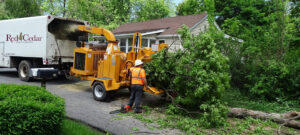
Trees add beauty, shade, and value to a garden, but a damaged or unhealthy tree can sometimes become a safety risk. Knowing when to act can help protect your home, family, and outdoor space. A Local Tree Removal Service can assess the tree’s condition and advise whether removal is necessary or whether careful pruning may be enough.
Not every damaged tree needs to be cut down. Some can recover with the right care, while others may need urgent attention. Understanding the warning signs will help you make a safer and more informed decision.
7 Warning Signs That a Tree May Need Removing
Trees often show signs of stress before they become a serious concern. Look out for the following problems around your property.
1. The Tree Is Dead or Dying
A dead tree can become unstable as its wood breaks down. Without healthy growth, branches may become brittle and fall during strong winds or heavy rain.
Common signs include:
- Little or no leaf growth during the normal growing season.
- Large sections of dry or brittle branches.
- Bark peeling away in unusual patterns.
- No healthy buds or signs of new growth when expected.
One sign alone does not always mean a tree is dead. Some species lose their leaves in winter, and others recover slowly after stress. An experienced tree surgeon can inspect the tree and help determine the next step.
2. The Trunk Has Large Cracks or Hollow Areas
A tree trunk provides the main support for the entire tree. Deep cracks, major splits or extensive decay may affect its strength, especially if the tree stands near a house, driveway or public path.
Look for deep openings, soft or crumbling wood, or large areas of damaged bark. Fungi growing on the trunk or near the base can also indicate decay, although their presence does not automatically mean the tree must be removed.
If you notice serious damage, arrange a professional inspection rather than trying to assess the tree’s strength yourself.
3. The Tree Is Leaning More Than Before
Some trees naturally grow at an angle. However, a sudden change in the tree’s position may indicate a problem with its roots or stability.
Pay attention to these warning signs:
- The tree has started leaning after a storm.
- The soil around the base appears raised or cracked.
- Roots are lifting out of the ground.
- The trunk has developed a fresh split.
A tree that has suddenly shifted can pose a risk to people and nearby buildings. Keep away from the affected area and seek urgent professional advice if it appears unstable.
4. Large Branches Are Breaking or Falling
Falling branches can damage roofs, vehicles, fences and garden structures. They can also injure anyone standing underneath the tree.
Repeated branch failures may point to disease, decay, poor structure or damage from severe weather. However, a single broken branch does not necessarily mean the whole tree needs removal.
A qualified tree surgeon can inspect the canopy, identify weak points, and recommend suitable work. In some cases, removing selected branches may resolve the problem without felling the entire tree.
5. The Tree Shows Signs of Disease or Severe Decay
Trees can be affected by fungal infections, pests, and other conditions that weaken their structure. Depending on the cause and severity, treatment or pruning may help, but extensive decay can make a tree unsafe.
Watch for:
- Extensive dead sections in the crown.
- Large areas of damaged or discoloured bark.
- Fungal growth around the trunk or roots.
- Branches dying back over time.
- Cracks or cavities developing alongside other signs of decline.
These symptoms need careful assessment. A tree’s appearance alone cannot always confirm how much internal damage has occurred.
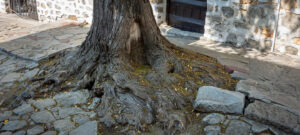
6. Roots Are Damaging Nearby Areas
Tree roots can affect paving, garden walls and drainage systems in some situations. However, roots near a building do not automatically mean the tree is damaging its foundations.
If you notice lifted paving, damaged drainage or new cracks in nearby structures, seek professional advice to identify the cause.
Removing a tree without understanding the underlying issue may not solve the problem. A tree specialist can help assess the tree and explain whether pruning, monitoring or removal is appropriate.
7. The Tree Has Been Damaged by a Storm
Strong winds, heavy rain, and lightning can cause serious tree damage. A split trunk, hanging branches or a partially uprooted tree may create an immediate hazard.
After severe weather, look for visible damage from a safe distance. Do not walk beneath hanging branches or approach a tree that appears unstable.
If a tree is threatening a building, vehicle, or access route, contact a professional for urgent advice. Local Tree Removal Services may be needed where the damage has made the tree unsafe, but the safest solution depends on the condition of the tree and its surroundings.
Does Every Damaged Tree Need Professional Removal?
No. Removing a tree should not be the first response to every problem. In many cases, targeted maintenance can address the issue while allowing the tree to remain in place.
The right option depends on the tree’s health, structural condition, location, and potential risk.
| Tree condition | Possible solution |
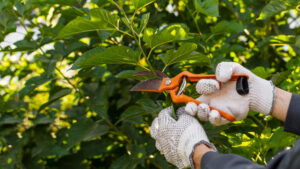
| A few dead or weak branches | Selective pruning |
| Minor damage with healthy growth | Monitoring and appropriate care |
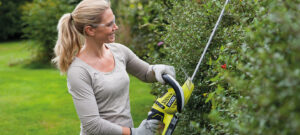
| Overgrown branches near a roof | Crown reduction or other suitable pruning |
| Severe structural damage or advanced decay | Professional assessment for possible removal |
| A recently uprooted or unstable tree | Urgent safety assessment |
A professional inspection helps you avoid unnecessary tree removal while dealing with genuine safety concerns. It also allows you to understand the options before committing to work.
Why Professional Tree Removal Matters
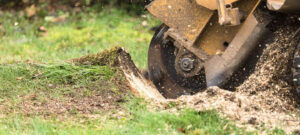
Removing a mature tree can be more complicated than it looks. Large branches may be heavy, trunks can shift as they are cut, and nearby buildings, fences and overhead cables can create additional hazards.
Professional Tree Removal helps manage these risks through proper planning, suitable equipment and safe working methods.
Here are some key benefits of using a qualified tree surgery team:
- Improved safety: The team can assess potential hazards before work begins.
- Protection for your property: Careful planning helps reduce the risk of damage to roofs, fences and surrounding structures.
- The right approach: A tree surgeon can explain whether pruning, treatment or removal is the most suitable option.
- Controlled site clearance: The team can plan how to lower branches and manage timber safely.
- Advice for the future: You can receive guidance on maintaining nearby trees and reducing future risks.
Final Thoughts
Trees are an important part of a healthy garden, but their condition should not be ignored when warning signs appear. Dead branches, serious cracks, sudden leaning and storm damage all deserve attention, particularly when a tree stands close to people or property.
The best decision is not always to remove the tree. A proper assessment can help establish whether maintenance is enough or whether removal is the safer option.
If you have concerns about a tree on your property, contact ELATS for professional advice. The team can help you understand the next steps and choose the right solution for your tree.