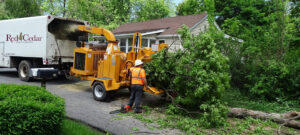
Tree Root Damage to Foundations is a possibility worth investigating when a property develops unexplained cracks or signs of movement. If a tree is also causing problems outside your home, ELATS can assess it through its Tree Removal Service. Before deciding on removal, however, it is important to establish whether the tree is responsible and what action would be appropriate.
Trees growing close to buildings are not always a cause for concern. Many remain alongside homes for decades without creating structural issues. Problems are more likely in certain soil conditions, particularly when changes in moisture cause the ground beneath a building to move.
Why Can Tree Roots Affect a Building?
Tree roots need water to support the tree’s growth. In dry conditions, a mature tree may draw moisture from the surrounding soil. Where the soil contains shrinkable clay, this loss of moisture can cause the ground to contract.
If the soil beneath a building shrinks unevenly, parts of the foundation may move. This is one possible cause of subsidence and the cracking that can follow.
Roots can create other problems, too. They may lift paving, disturb lightweight garden structures or enter existing defects in underground drains.
Trees Near House Foundations: What Should You Check?
The distance between a tree and a building is useful information, but it cannot tell you by itself whether the property is at risk.
Consider these factors when assessing the situation:
- The ground beneath your home: Shrinkable clay can change in volume as its moisture content changes.
- The property’s age: Some older buildings have shallower foundations than newer properties.
- The tree’s characteristics: Size, species, and water requirements can influence its effect on the surrounding soil.
- Recent weather: Extended dry spells may increase the risk of soil shrinkage.
- Nearby drainage: Damaged pipes can allow roots to enter and cause recurring blockages.
Trees Near House Foundations should be assessed in context rather than judged on distance alone. A qualified specialist can help establish whether further investigation is necessary.
Five Changes That May Need Further Investigation
1. Cracks appearing in walls
New cracks around windows, doors or external walls may be a reason to investigate possible movement. However, cracks can also result from ordinary building movement, changes in temperature, or other structural defects.
Take clear photographs and record the date. If the cracks become wider or new ones appear, arrange a professional assessment.
2. Doors and windows no longer fitting properly
A door that suddenly sticks or a window that becomes difficult to open may indicate a change in the building’s shape. Look for other signs rather than assuming a nearby tree is the cause.
3. Uneven ground near the property
Lifted paving, raised slabs and gaps beneath garden structures may indicate root growth close to the surface. These changes can create trip hazards even when the main building remains unaffected.
4. Repeated drainage blockages
If a drain keeps becoming blocked, the pipework may need inspection. Tree roots sometimes enter existing cracks or poorly sealed joints, particularly where leaking water attracts them.
A drainage specialist can use suitable inspection equipment to establish what is happening inside the pipe.
5. Changes in the tree itself
A newly leaning trunk, substantial cracks in the trunk, or large dead branches may require a separate tree safety assessment. These signs do not prove foundation damage, but they can indicate that the tree needs attention.
Tree Root Problems should not be diagnosed from one visible symptom alone. Looking at the building, ground conditions, drainage, and tree together gives a more useful picture.
What to Do If You Suspect Foundation Movement
If you notice changes around your property, follow a sensible order of checks.
- Keep a record. Photograph the affected areas and note when you first noticed them.
- Contact your buildings insurer. Explain the signs you have found and ask about the investigation process.
- Arrange a building assessment. A structural engineer or suitably qualified surveyor can investigate possible movement.
- Check the tree separately. A qualified arborist can assess its condition and whether it could be contributing to the problem.
- Avoid cutting major roots yourself. Root cutting can affect a tree’s health and stability and may not resolve the underlying cause.
If Tree Root Damage to Foundations is suspected, arrange the appropriate assessments before choosing a remedy. Removing a tree without understanding the soil conditions can sometimes make matters worse, as certain clay soils may swell again when their moisture levels recover.
Does a Tree Always Need to Be Removed?
No. The presence of a tree close to a house does not automatically justify removing it.
Depending on the findings, the appropriate response might involve monitoring the property, repairing a drainage defect, managing the tree, or carrying out further structural investigations. Tree removal may be considered in some circumstances, but it should form part of an informed decision rather than being the automatic first step.
ELATS can assess the tree and discuss appropriate tree surgery options. If the building itself shows signs of movement, the relevant building specialist should investigate those symptoms.
Get the Right Advice Before Taking Action
A tree and a house can often share the same space without difficulty. The important thing is to investigate changes early and avoid making decisions based on assumptions.
When you understand the likely cause, you can choose a response that protects your property while considering the health and stability of the tree. Contact ELATS if you need professional advice about a tree near your home.