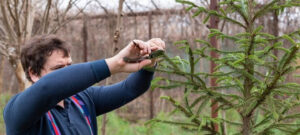
When managing a residential landscape, homeowners often focus on aesthetic enhancements like planting colourful flowerbeds or maintaining pristine lawns. However, the structural security of larger vegetation is the true foundation of a secure outdoor space. Relying on professional Tree Surgery Services is the single most effective way to eliminate hidden hazards and ensure your family can enjoy the garden without risk.
If you have been searching online for the best tree surgeon near me to assess your property, understanding how these specialised interventions protect your home is the first step toward a safer environment.
A beautiful garden can quickly become hazardous if its largest features are neglected. Overgrown branches, hidden trunk rot, and structurally compromised root systems present severe risks to nearby structures, vehicles, and human life. Professional arboriculture companies, such as Elats Ltd, combine technical expertise with specialized equipment to diagnose and mitigate these dangers before they lead to catastrophic failure.
The Primary Safety Hazards in a Garden
Untreated trees pose several distinct threats to residential properties. While some dangers are obvious, others require an expert eye to detect.
Falling Deadwood and Large Branches
As trees age or experience environmental stress, individual limbs can die while the rest of the organism appears healthy. Deadwood becomes brittle over time. According to research published by the Health and Safety Executive (HSE), falling trees or branches cause multiple severe injuries and fatalities across the UK every year.
Structural Instability and Uprooting
The stability of a tree relies entirely on its root anchoring system and the integrity of its lower trunk. If a tree develops a severe lean or suffers from root decay, it becomes a major structural liability. Data from Forest Research indicates that soil waterlogging combined with shallow root systems drastically increases the risk of windthrow (uprooting) during severe weather.
Overgrown Canopies Interfering with Infrastructure
When left unmanaged, expanding tree canopies can grow directly into overhead electricity or telephone cables. This creates an immediate fire hazard and can trigger widespread power outages during high winds.
How Tree Surgeons Mitigate Risks
Professional tree surgeons utilize targeted, highly technical methods to systematically eliminate these hazards from your landscape.
1. Crown Reduction and Thinning
Crown reduction involves carefully trimming the outer canopy to reduce the overall height and spread of the tree. This process decreases the overall weight of the upper structure and minimizes wind resistance. Thinning removes select inner branches to allow strong winds to pass cleanly through the canopy rather than acting like a giant sail.
2. Targeted Deadwooding
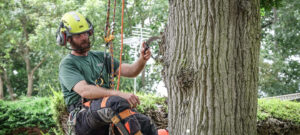
During a deadwooding procedure, an arborist systematically climbs into the canopy to cut away dead, dying, or diseased branches. By proactively removing these loose structural elements, tree surgeons prevent them from snapping unpredictably and crashing into the garden below.
3. Safe, Controlled Felling and Dismantling
When a tree is declared dead, severely diseased, or structurally unsalvageable, total removal becomes mandatory. In confined residential gardens, traditional tree felling is too dangerous. Tree surgery specialists use advanced rigging systems, ropes, and lowering devices to dismantle the tree section by section.
The Hidden Danger: Why DIY Tree Work is Not Safe
Attempting to handle large-scale tree maintenance without formal training is incredibly dangerous. Data compiled by arboricultural safety bodies confirms that tree surgery is one of the highest-risk occupations in the UK, carrying accident rates that regularly outpace standard construction work.
- High-Altitude Risks: Operating high-powered machinery while suspended on ropes or balancing on a ladder requires intensive structural training. Falls from height are a leading cause of severe injury in amateur tree maintenance.
- Unpredictable Physics: Wood under tension behaves erratically. If a branch is cut incorrectly, it can snap back with immense force (known as barber-chairing), crushing the operator or throwing them from the tree.
- Inadequate Tools: Domestic chainsaws and ladders lack the specialized safety mechanisms, robust ratings, and structural load capacities required to handle heavy falling timber safely.
Professional organizations like Elats Ltd utilize NPTC-qualified climbers, maintain extensive public liability insurance, and hold registered waste carrier licences to guarantee that all operations are completed in strict compliance with safety regulations.
Proactive Tree Management and Storm Resilience
The most cost-effective and safest approach to garden management is proactive maintenance. Waiting for an extreme weather event to test the strength of your trees often results in emergency call-out fees and avoidable property damage.
Comprehensive studies on storm impacts, such as the Royal Forestry Society (RFS) evaluations of historical UK storms, demonstrate that a forward-thinking management strategy significantly mitigates tree mortality and localized property destruction.
Conclusion
Garden safety is an ongoing responsibility that directly protects your household, your guests, and your physical property. By investing in professional Tree Surgery Services, you can transform your yard from a zone of potential storm liability into a resilient, beautiful, and secure environment. Entrusting these tasks to seasoned professionals provides peace of mind, knowing that your outdoor space has been evaluated and secured using the highest industry standards.